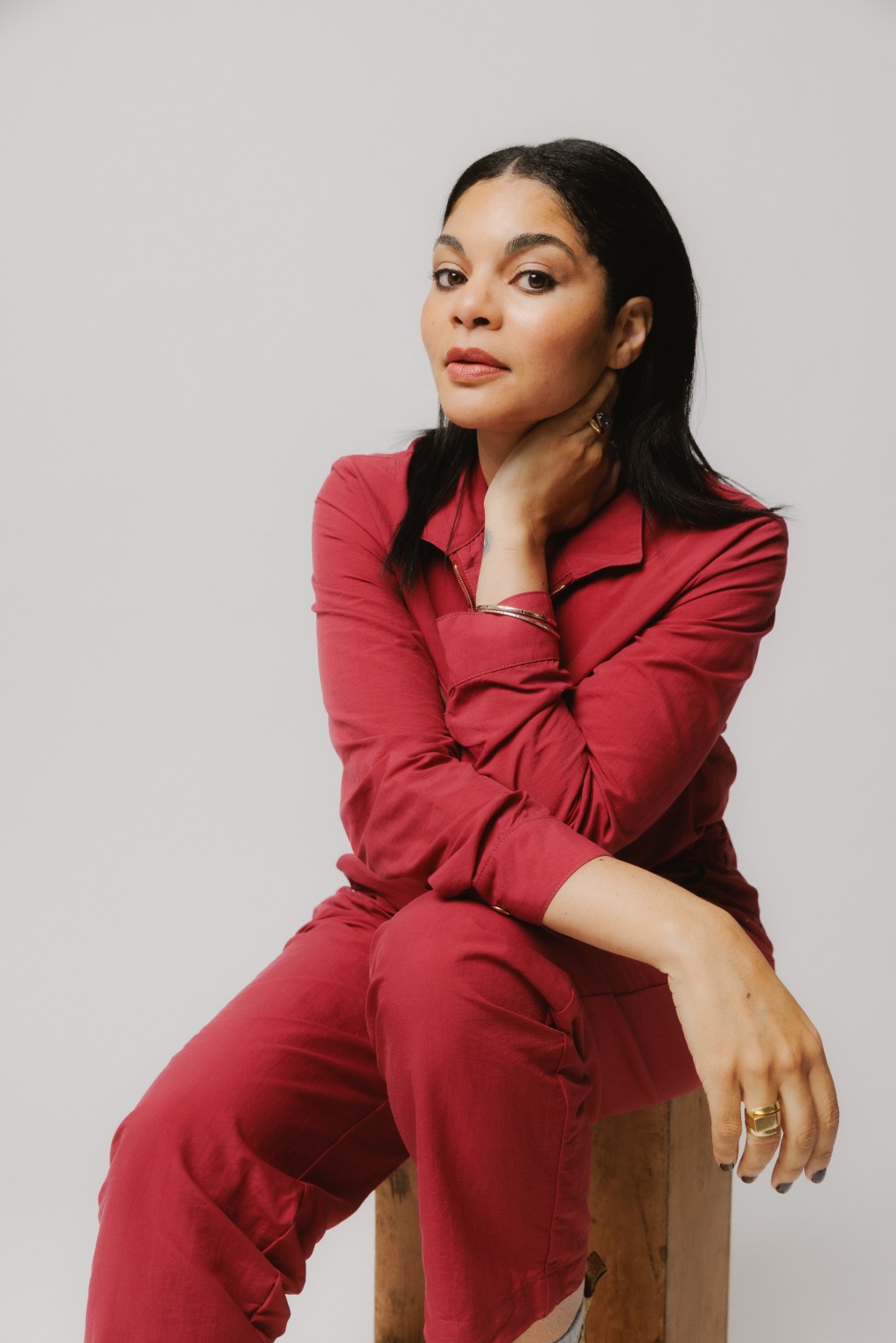
At a certain point in life, time stops feeling abstract. It becomes physical. It lives in the body, in memory, in the quiet realisation that the person you once were is not the person you are becoming.
For Ndidi O, that realisation sits at the centre of her new album It’s About Time, released March 6 and recorded in County Cork. The record arrives as she settles into life in County Kerry and as her career continues to expand internationally. A two-time Juno Award nominee and WCMA Blues Artist of the Year, Ndidi is also triple-nominated at the 2026 Canadian Blues Music Awards, including Blues Song of the Year for Working Girl, Female Vocalist of the Year, and Producer of the Year for longtime collaborator Steve Dawson.
Across six solo albums, international touring and screen placements spanning Orange Is the New Black, The Flash, True Blood, Cloak & Dagger and Netflix’s Self Made: Inspired by the Life of Madam C.J. Walker, Ndidi has carved out a body of work that moves easily between blues, folk, Americana and soul. Since relocating to Ireland, those traditions have begun to merge with Irish musical storytelling and traditional song.
But It’s About Time is also her most personal record to date.
Much of the album is shaped by peri-menopause, a stage of life still rarely discussed in music. Rather than sidestepping it, Ndidi places it squarely at the heart of the record. Songs such as Old Crone confront aging and invisibility, while Young One reflects on the distance between youth and the next stage of life. Across the album, themes of migration, belonging, friendship and identity unfold against the backdrop of time moving forward.
Recorded at Monique Studios in Cork City, the record features Steve Dawson on guitars alongside Irish musicians including Alan Comerford, Mikey O’Connell and Christian Best. Traditional songs sit beside original writing, bridging Irish folk traditions with the emotional lineage of blues and Americana.
The result is a record that is reflective without being nostalgic. It acknowledges grief, but it also embraces clarity, resilience and the strange power that can arrive with age.
We spoke with Ndidi about the record, creative freedom, and why the stories of women moving through this stage of life deserve to be heard.
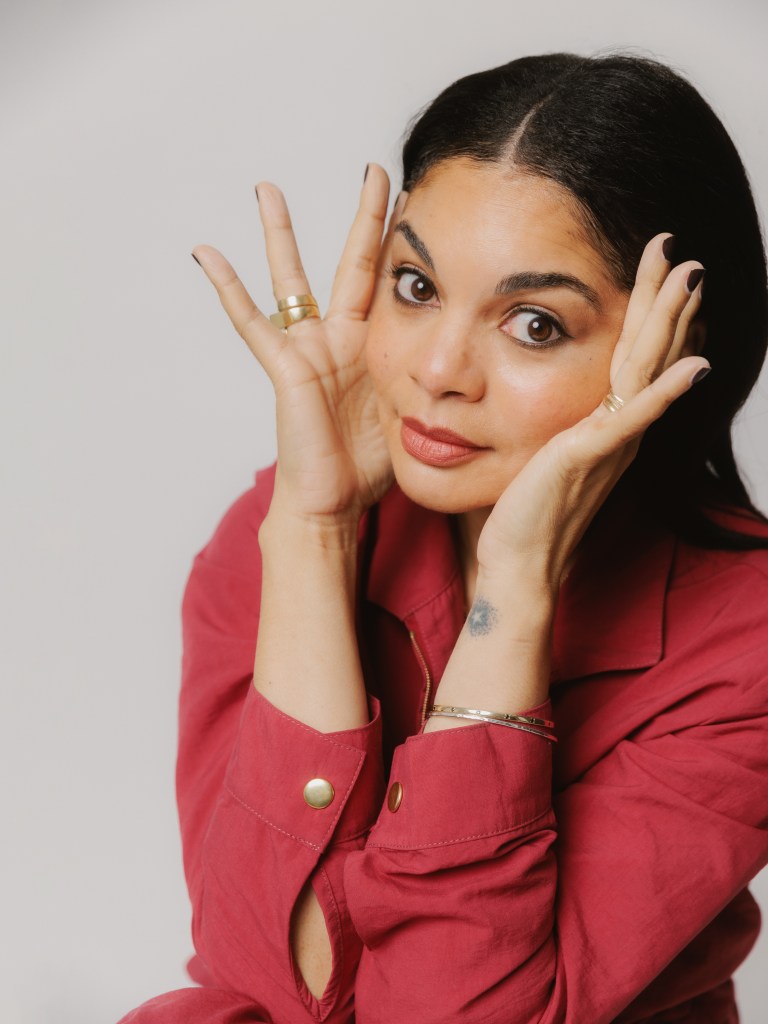
10 Questions With… Ndidi O
1. You’ve built a body of work that people connect with in different ways. At this stage, how do you define yourself as an artist?
I would define myself as a multidisciplinary singer, songwriter and playwright.
2. This new release feels like a defining moment. What changed in you creatively to make this project possible?
I entered this new stage of life, perimenopause, and suddenly realised that time is not forever. That made me want to create exactly how I want and go for it before my bones turn to dust.
I also moved to Ireland and started listening deeply to Irish traditional music. I realised how connected it is to music created by African Americans, blues, folk and country, and I wanted to merge those traditions.
3. Every project has a core energy or mood. What drives this one? Is there an uncomfortable truth at the centre of the record?
The core energy of this project is saying to all my perimenopals: I see you, I love you, I am you and you are me. We are in the trenches together, so let’s look out for each other and be the leaders we are meant to be, because the world needs us.
Perhaps the uncomfortable truth is that post-menopausal women should be the ones running countries, not the men currently messing it all up.
4. Was there a point during the writing or recording where you thought, “This might cost me something”?
I am lucky in that I am a mid-tier artist that people are always discovering. Because I have not hit a massive peak of success yet, there is no pressure to adhere to any previous version of myself.
Listeners who gravitate towards me and stick around will meet me where I am. My creations cost me nothing because I do not have anything to lose. There are billions of ears on this planet. Whoever wants to hear my music and enjoy it will find it.
5. The industry often rewards consistency over evolution. Did you feel pressure to stay within expectations?
As mentioned above, I do not feel any pressure to adhere to expectations. I do not even know what those expectations could possibly be at this point in time.
I answer to myself, and as long as I create truthfully and with integrity, that is all that matters.
6. Which part of this project feels most rooted in where you are from, and which part feels like a departure?
I think this project is really an amalgamation of where I am from and where I am now. My hope is that the marriage of Americana, blues, folk and Irish traditional music shines through.
In that way, I feel I was able to honour where I come from, where I am now, and who I have become.
7. When you step back and listen to it as a fan rather than the creator, what stands out?
What stands out to me is that I really stuck to a theme and kept the storytelling aligned with the tone of the album. Hearing that consistency feels really good.
8. What does power look like in your career right now, and who controls it?
Power to me means being able to play steadily in a market without going broke.
Right now the power unfortunately sits with the algorithm and TikTok, two spaces I do not really court, which is probably to my detriment. I am an analogue person and I intend to maintain that.
Hopefully, with session sit-ins and hangs, I can carve out a steady touring market and bring my music directly to listeners. Honestly, that is the best way to hear me. My music is really made for live performance.
9. If you could dismantle one myth about yourself or your genre, what would it be?
No one knows me well enough for there to be myths.
But there are stereotypes. Just because my vocal tone may sound reminiscent of past jazz artists of colour does not mean I am a jazz musician. And just because I look how I do does not mean I am beholden to so-called “urban” or Black musical genres.
Genres are not real.
10. When the final track fades out, what do you hope lingers with the listener long after?
I hope the listener feels seen and loved and that their nervous system is soothed.
At this stage of my life, I make music in the hope that it helps regulate nervous systems. We need all the help we can get in that department as a species.
One small editorial observation from a music culture standpoint that we couldn’t help but notice during our interview with Ndidi… Popular music still behaves as if women stop having stories worth telling after forty. Biology disagrees. So does this record. It’s About Time sits in that rare territory where ageing is not hidden or softened but treated as material for art. And that makes the album and, indeed, the artist far more radical than they might first appear. Bravo, Ndidi O!
We are loving Old Crone from the new album:
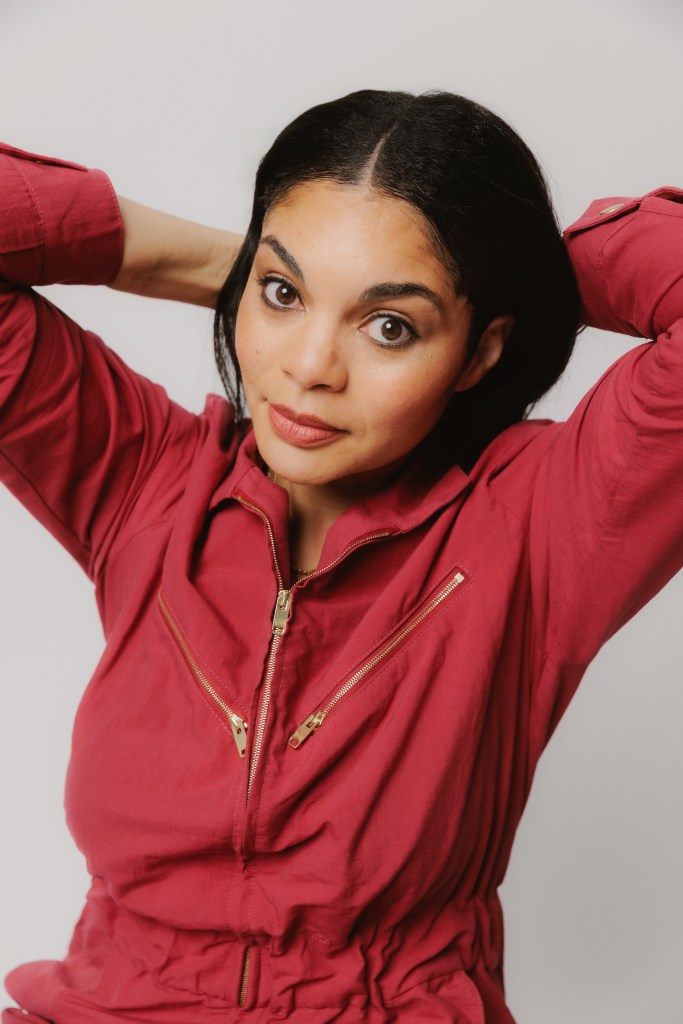
All images by Rachel Pick @rachelpick with permission of the artist.
Listen to her new music along with the new album below:

 The Industry Review
Leave a comment