Film & TV
Film, television and literature shape public consciousness far more than people admit. This section explores storytelling, criticism, cultural influence, representation and the industry forces shaping what the public sees, reads and believes.
-
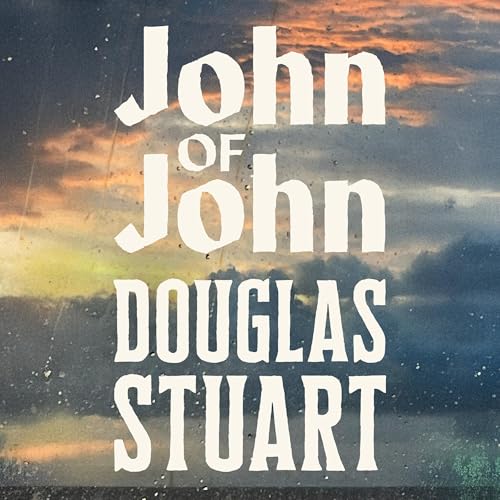
Douglas Stuart has once again delivered a novel that feels emotionally bruising in the best possible sense. John of John explores masculinity, inheritance, addiction and working-class survival with the same devastating clarity that defined Shuggie Bain. Stuart’s greatest strength remains his ability to write tenderness within brutality. Even in environments shaped by violence, poverty and…
-
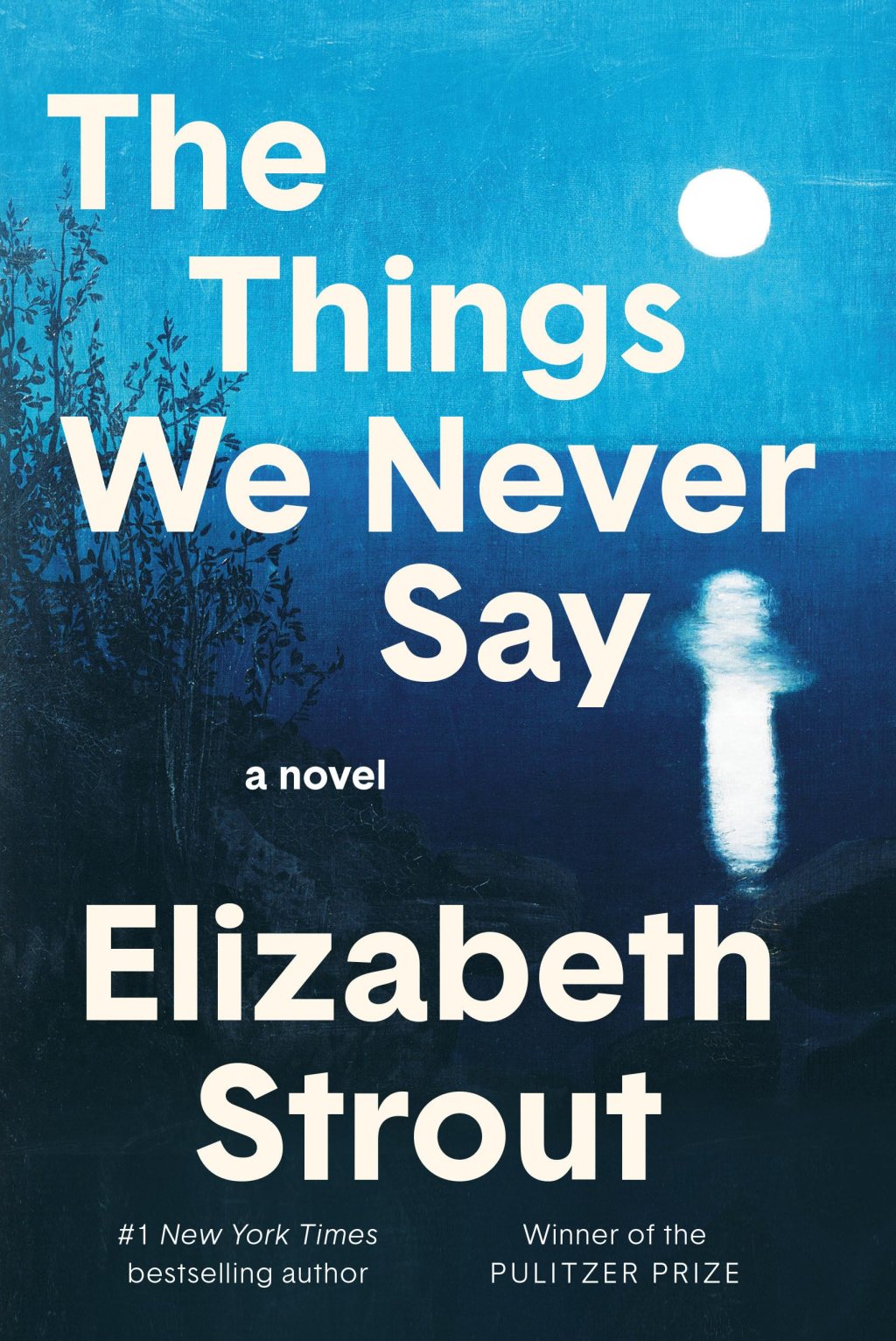
Elizabeth Strout remains one of the finest observers of human loneliness currently writing, and The Things We Never Say continues her extraordinary ability to locate emotional devastation within ordinary lives. The novel explores silence in all its forms: silence between partners, silence within families and silence people impose upon themselves out of fear or shame.…
-
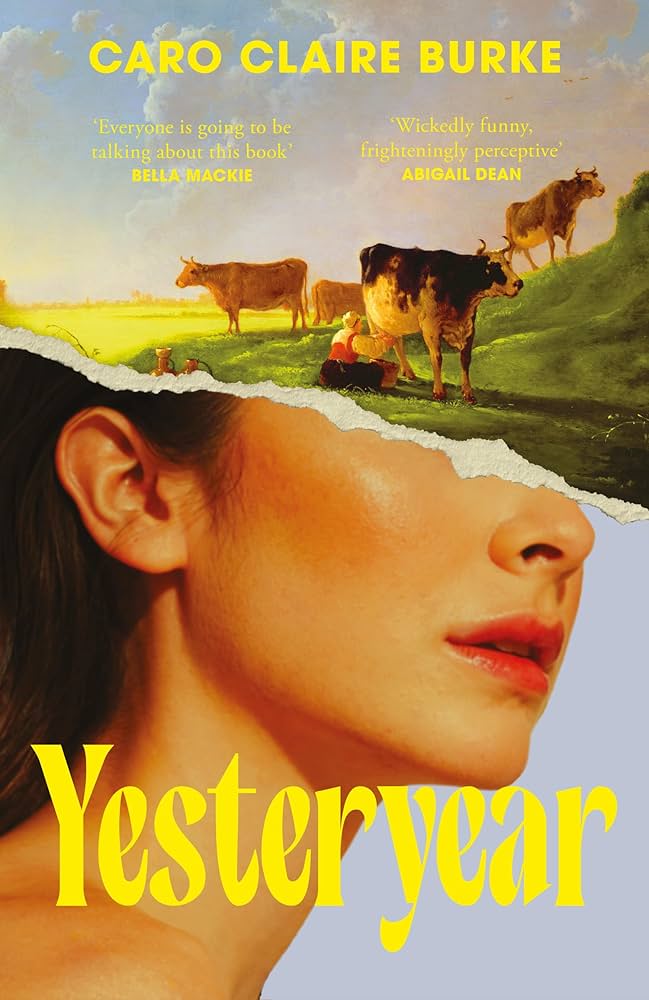
Caro Claire Burke’s Yesteryear feels perfectly calibrated for this cultural moment. A novel obsessed with nostalgia, memory and reinvention, it interrogates why modern society remains so addicted to romanticising the past. Part literary fiction, part cultural critique, the novel has already generated enormous attention ahead of its forthcoming film adaptation starring Anne Hathaway, who is…
-
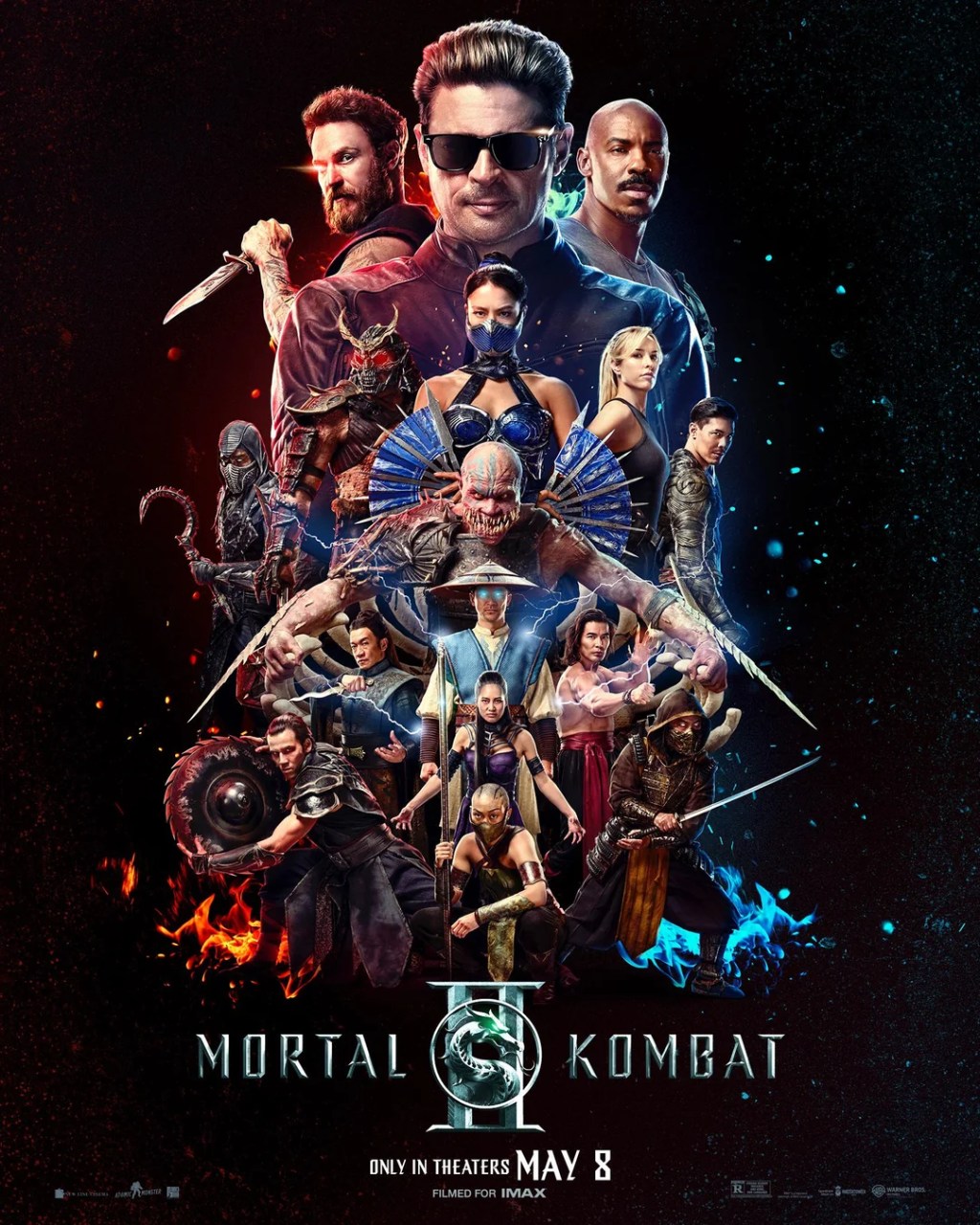
5/10 There are films that know exactly what they are, and then there are films desperately trying to convince audiences they are more intelligent than a man being punched so hard his spine exits his body. Mortal Kombat II spends two exhausting hours trapped somewhere between those identities. The result is a loud, chaotic spectacle…
-
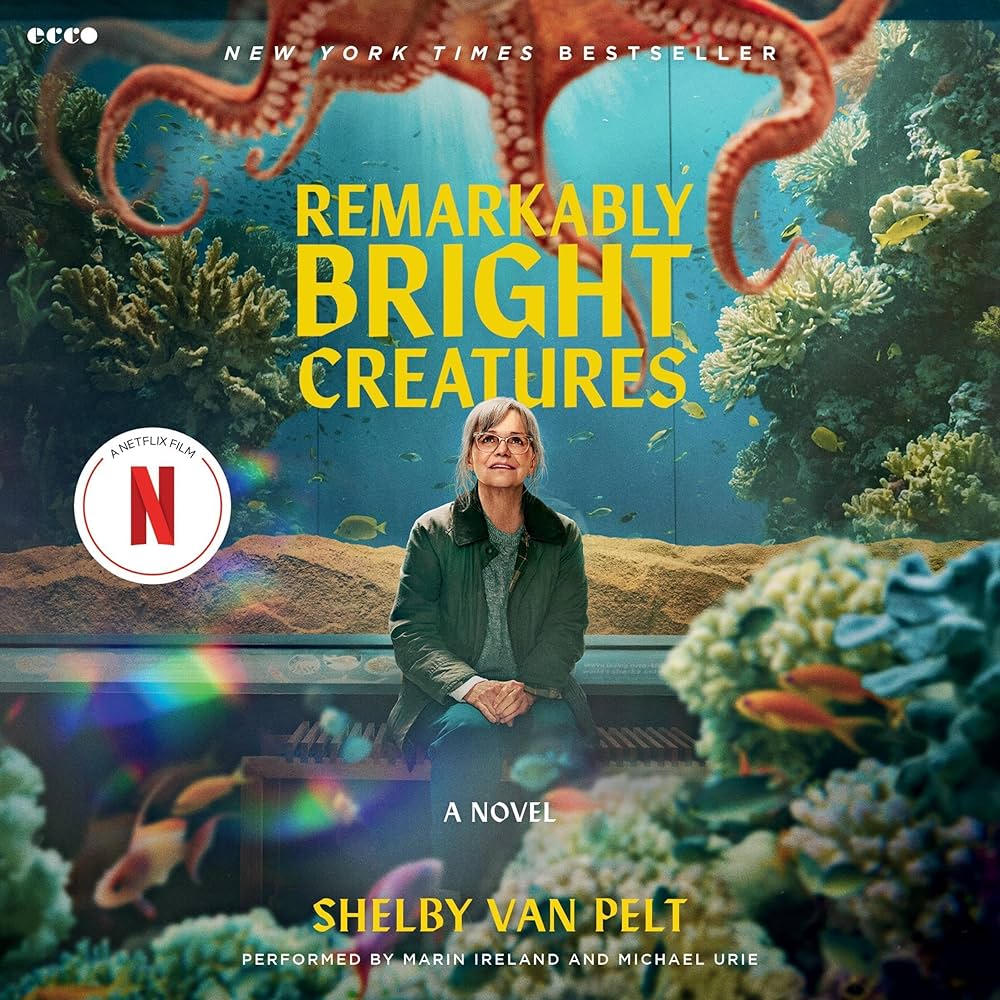
7/10 In an era where so much film and television feels algorithmically assembled, loud, cynical and terrified of sincerity, Remarkably Bright Creatures arrives like a deep breath. Quietly devastating and unexpectedly beautiful, Olivia Newman’s adaptation of Shelby Van Pelt’s bestselling novel understands something many modern films have forgotten: audiences do not need constant spectacle to…
-
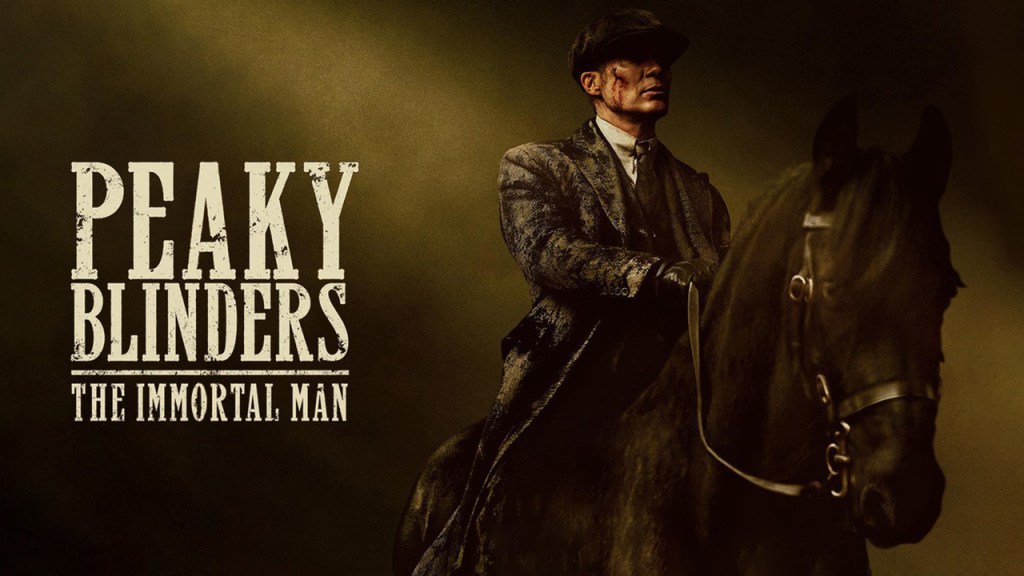
3/10 There’s disappointing television, and then there’s whatever that Peaky Blinders film thought it was doing. For years, Peaky Blinders built one of the most magnetic anti-heroes modern British television has produced. Tommy Shelby was cold, strategic, and emotionally fractured, yes, but always dangerous. Even in grief, even in addiction, even when the world was…
-
New data from the European Audiovisual Observatory offers a fairly unvarnished view of where cinema sits across Europe right now, and it does not support the idea of a clean post-pandemic recovery. Cinema admissions fell by 5.5% in 2025, declining from 843 million to 796 million. That drop tells its own story, but what sits…
-
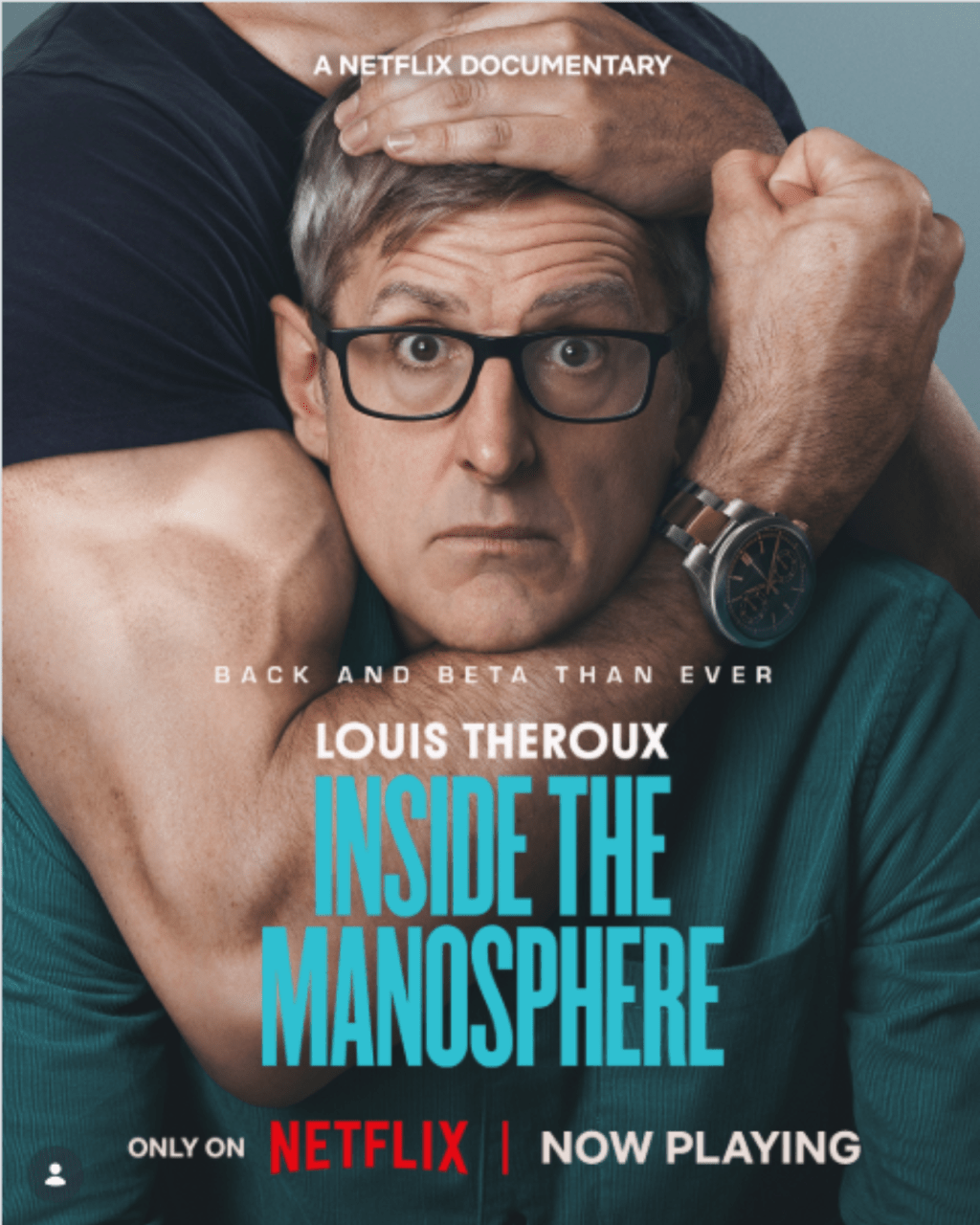
I recently watched Louis Theroux: Inside The Manosphere and honestly, it’s less a documentary and more an autopsy, not of masculinity, but of what happens when insecurity gets monetised and handed a microphone. It lays bare the social rot that parts of the internet have become, not chaotic but corrosive, engineered even, a space where…
-
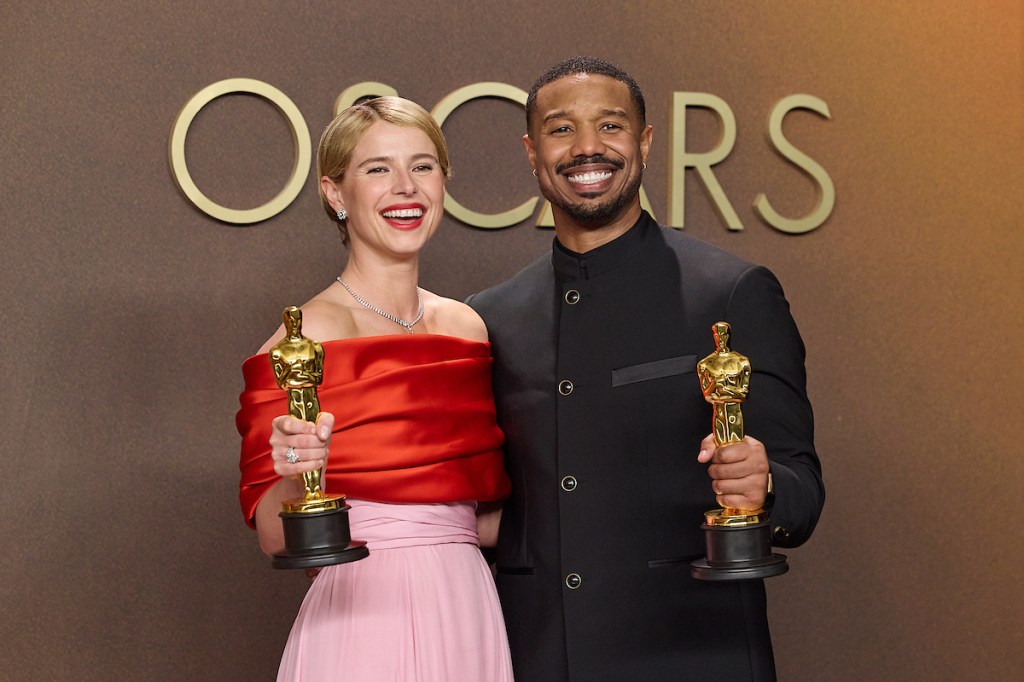
Hollywood’s biggest night rarely produces a neat narrative, but the 2026 Academy Awards came unusually close. Two films dominated the evening and between them captured the mood of the industry. One was cerebral, political and sharply satirical. The other was visceral, emotional and built on bold genre storytelling. In the end, the Academy embraced both.…

 The Industry Review