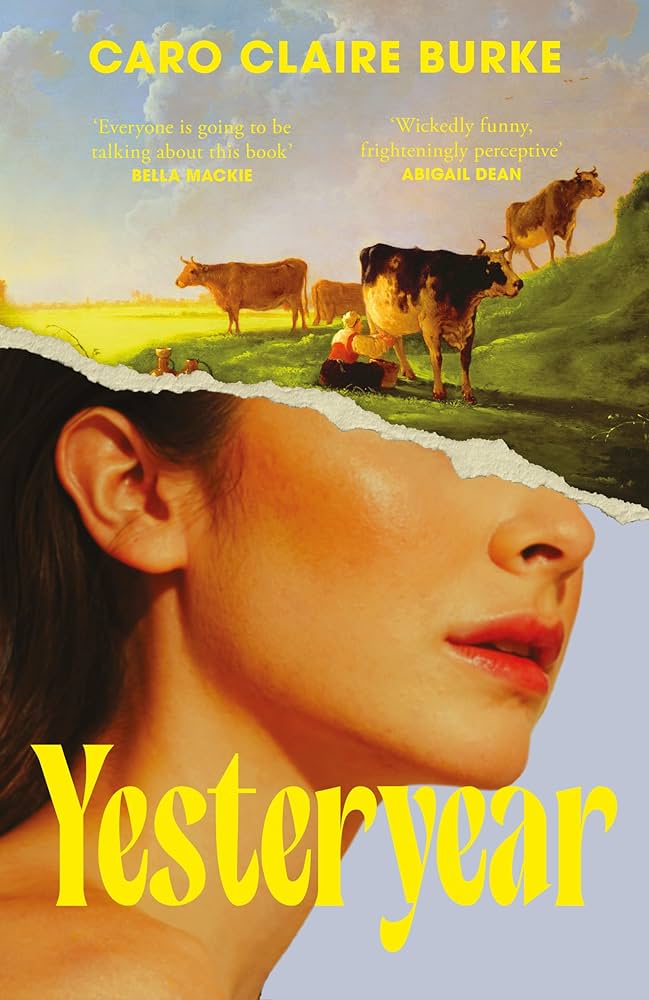
Caro Claire Burke’s Yesteryear feels perfectly calibrated for this cultural moment. A novel obsessed with nostalgia, memory and reinvention, it interrogates why modern society remains so addicted to romanticising the past.
Part literary fiction, part cultural critique, the novel has already generated enormous attention ahead of its forthcoming film adaptation starring Anne Hathaway, who is also attached as producer. That early Hollywood interest says a great deal about the book itself. Yesteryear arrives at the exact moment tradwife aesthetics, curated femininity and influencer nostalgia are dominating online discourse.
The premise is deceptively simple but culturally razor-sharp: a woman selling idealised vintage womanhood online suddenly finds herself forced to live within the brutal realities of the historical world she has been romanticising. Burke uses that concept not merely for satire, but to expose the labour, control and erasure historically demanded of women beneath polished domestic imagery.
Burke writes with strong visual instinct. Scenes unfold almost cinematically, filled with soft Americana imagery and emotional unease simmering beneath polished surfaces.
At its heart, Yesteryear is less interested in nostalgia itself than in the danger of becoming trapped by it. The novel understands how memory, aesthetics and online performance can distort identity, relationships and even morality.
The pacing occasionally slows under the weight of its own introspection, but Burke’s prose remains engaging enough to carry readers through quieter sections.
What elevates the novel beyond trend-driven literary fiction is its emotional intelligence. Burke recognises that people often retreat into nostalgia during periods of instability and social fragmentation.
More than anything, Yesteryear feels like one of the first major post-pandemic novels to fully dissect algorithmic femininity, influencer performance and the commodification of womanhood before Hollywood inevitably transforms it into prestige cinema.
A stylish and surprisingly moving meditation on memory, longing and reinvention.
★★★★

Leave a Reply