Across the global music industry, conversations about representation and equity have become impossible to ignore. Recently we explored these questions through a number of lenses, from Linda Coogan Byrne’s newly released book Why Not Her?, A Manifesto For Culture Change, which examines the dismal disparities across radio play and festival line-ups in the UK and Ireland and explores how policy and data can be used to drive meaningful culture change, to Caroline Criado Perez’s landmark book Invisible Women, which exposes how systemic bias continues to shape the structures around us.
Yet meaningful structural change continues to move slowly. While unfunded grassroots campaigners like Why Not Her? keep pressure on the industry through research, advocacy and volunteer-led work, festivals, labels and publicly supported initiatives such as Keychange, backed in part through the European Union’s Creative Europe programme and industry partners, regularly announce new commitments to diversity. The deeper question, however, remains how those promises translate into real shifts in power, opportunity and long-term careers for artists and professionals across the sector.
One initiative we are focusing on today is Keychange, the international movement built around a simple but disruptive premise: gender parity in music should not be aspirational, it should be expected. Since launching its 50:50 pledge in 2017, the initiative has encouraged more than 750 festivals, music organisations and industry bodies worldwide to publicly commit to improving gender balance across programming, staffing and leadership.
Alongside the pledge, Keychange has also developed leadership and talent development programmes supporting hundreds of artists and industry professionals, while building an international network connecting festivals, policymakers and music organisations across Europe and beyond. While the initiative’s impact is often measured through awareness, accountability frameworks and institutional commitments rather than direct market data, it has played a role in keeping gender parity firmly on the agenda of the global music ecosystem.
As conversations around representation and access continue across the global music industry, initiatives like Keychange highlight both the progress that has been made and the structural work that remains. They have a manifesto that you can read here. While pledges can spark momentum, the real test for the sector will be whether those commitments translate into lasting shifts in power, opportunity and decision-making across the next decade.
In this edition of 10 Questions With, we speak with Lea Karworth, Project Lead at Keychange, about how the initiative has evolved from a campaign into a broader movement, what structural barriers continue to shape the music ecosystem, and why redistributing power within the industry remains one of the central challenges ahead.
10 Questions With Keychange
Interview with Lea Karworth, Project Lead
1. Keychange has become one of the most visible global initiatives working toward gender equity in music. At this stage, how do you define its role within the wider music ecosystem?
Keychange has moved from a campaign into a global movement: we’re a connector, a catalyst, and a standard-setter. We create concrete pathways for artists and industry professionals who have been excluded from decision-making spaces, while pushing festivals, funders, and companies to change their structures and practices. Rather than only demanding visibility, we work holistically by supporting talents, encouraging music organisations to sign the pledge, and advocating for a more equitable and diverse music industry.
2. When Keychange first launched, the 50:50 pledge sparked major conversation across festivals and organisations. Looking back, what impact has that commitment actually had on the industry?
The pledge opened a conversation and made accountability visible. It normalised parity as an organisational objective, prompted many festivals and institutions to audit their rosters and line-ups, and accelerated commitments across Europe, Canada, and beyond. Importantly, it changed expectations for what music audiences expect. That said, a pledge alone is not a cure: it proved powerful for signalling and initial change, but only when paired with concrete actions — funding, talent development, and transparent monitoring — does it turn into durable progress.
3. Beyond representation on stages and line-ups, where do you believe the deepest structural inequalities still exist within the music industry?
There are many structural barriers in the music industry, but also in society. It is important to emphasise that many people in the industry experience multiple forms of discrimination. The music industry is still very much a “buddy business”. Executive leadership positions, A&Rs, booking teams, etc., are not diverse, and these are the gatekeepers who determine whose music is discovered, marketed, and monetised. In parallel, systemic issues like pay gaps, lack of parental support, precarious freelance economies, and unsafe work environments exacerbate career attrition for underrepresented talent.
4. In recent years we’ve seen growing public commitments to diversity and inclusion across the sector. How do we ensure those commitments translate into real structural change rather than symbolic gestures?
Translate commitments into enforceable practice — and resources that work. Public statements must be followed by concrete actions and measurable targets that are monitored transparently over time, as we do with the Keychange Pledge. To put this into practice, it involves setting goals for diversity and inclusivity, such as for boards and hiring panels, and committing to equitable programming and reporting. We need to invest in systems that support careers over time, rather than just temporary visibility. This includes multi-year talent development, ongoing mentorship, fair pay standards, childcare and touring support, and clear pathways from development to commissioning and leadership roles. Collect as much disaggregated data as possible (gender, race, class, disability, geography, care responsibilities). Symbolic gestures lead to structural change only when they are properly funded, held accountable, and co-designed with the communities they intend to benefit.
5. International collaboration sits at the core of the Keychange model. What have been the biggest lessons from bringing together artists and industry professionals across different countries and systems?
Keychange works as a cooperation project funded by the European Union. Working across borders has taught us that international connection is indispensable for change. Conversations about gender equity and diversity are shaped by local histories, laws, and cultural norms, so it is interesting to see these dialogues unfolding and the field of tension they create. At the same time, we have to be honest about power imbalances that come with international work. Differences in resources, language, and institutional influence can reproduce exclusion unless we proactively redistribute support. That means funding participation, offering translation and travel subsidies, sharing leadership in partnerships, and using our platform to open doors for artists and professionals who otherwise lack access. Long‑term funding from partners such as the EU is critical here because trust and meaningful collaboration take time — one‑off events rarely produce durable change.
Practical barriers matter as much as programmatic design. Visa restrictions, digital access, and unequal funding systems can prevent talented people from participating in international exchange, so addressing these structural obstacles is part of the work. Finally, the most powerful outcomes come from reciprocal learning, and it is exciting to see the Keychange Talent Leadership Programme as a testimonial to it.
6. For emerging artists and industry professionals who take part in the Keychange programme, what kinds of opportunities and long-term impact have you seen emerge from that network?
Participants gain tangible career accelerators: international opportunities to present their talent, new collaborators, funding pathways, and leadership training. In the long term, we envision stronger professional networks that support careers, more artists entering international circuits, and more projects — both locally and globally — that enhance Diversity, Equity, Inclusion, and Access (DEIA) in music. Additionally, we anticipate alumni returning as mentors and curators, thereby amplifying our impact. The network effect is often the most enduring outcome; relationships built through our programs evolve into a support network and friendships.
7. Cultural industries often move slowly when it comes to reform. What kinds of resistance or barriers has Keychange encountered along the way?
We believe progress requires both patience and persistence. Changing hiring practices, funding criteria, and cultural norms is a slow but achievable process with sustained pressure and positive alternatives. In practice, limited capacity means even well‑intentioned teams struggle to redesign hiring, commissioning, and monitoring processes. Strategically, the fear of not reaching targets creates paralysis — rather than experimenting, learning, and iterating, some institutions retreat into token gestures or stall altogether. And when funding is cut back, equity work is often reclassified as expendable rather than essential, which undermines long‑term progress. Narrative matters too, so we invest in communicating tangible wins, making change both accountable and achievable.
8. If we think about power in the music industry, where does it still sit today, and what needs to shift for the sector to become genuinely equitable?
Power is very concentrated in the music industry, and at boards and executive tables that remain largely homogeneous. For genuine equity, we need redistribution of decision-making power: more seats at boards and curatorial tables for underrepresented people, control over budgets and commissioning, and community-governed funding models. Structural shifts also mean rethinking how success is measured and what we subsidise as an industry.
9. What misconceptions do people still have about initiatives focused on gender equality in music and culture?
Many people believe that gender equality only concerns women or that it involves decreasing standards. In reality, it is about broadening talent pools and enhancing overall quality. Including non-binary and transgender individuals is crucial, and the focus has never been on maintaining standards — it has always been about ensuring access.
10. Looking ahead to the next decade, what does success actually look like for Keychange and for the music industry more broadly?
Success is when equality and intersectional representation are standard practices; when careers are sustainable regardless of gender, location, or background; and when the music ecosystem prioritizes safety, fair compensation, and shared power. For Keychange, success is a global network of empowered artists and leaders shaping the industry, mainstreamed policies that lock in equity, and measurable reductions in industry attrition for underrepresented groups. We at Keychange are committed to building those playbooks with the sector.
Learn more about Keychange at: keychange.eu
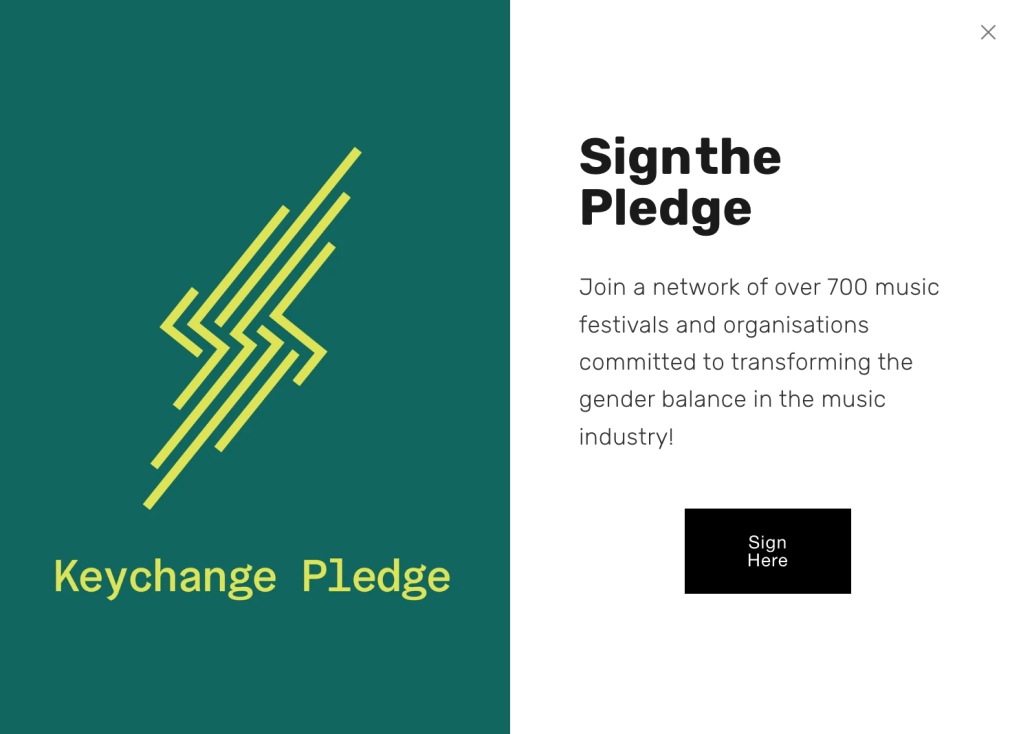
As the global music industry continues to grapple with questions of representation, access and power, the work of initiatives like Keychange suggests that meaningful change will depend not just on pledges, but on the systems and decisions that shape the industry behind the scenes. You can sign the keychange pledge yourself by clicking the photo below.

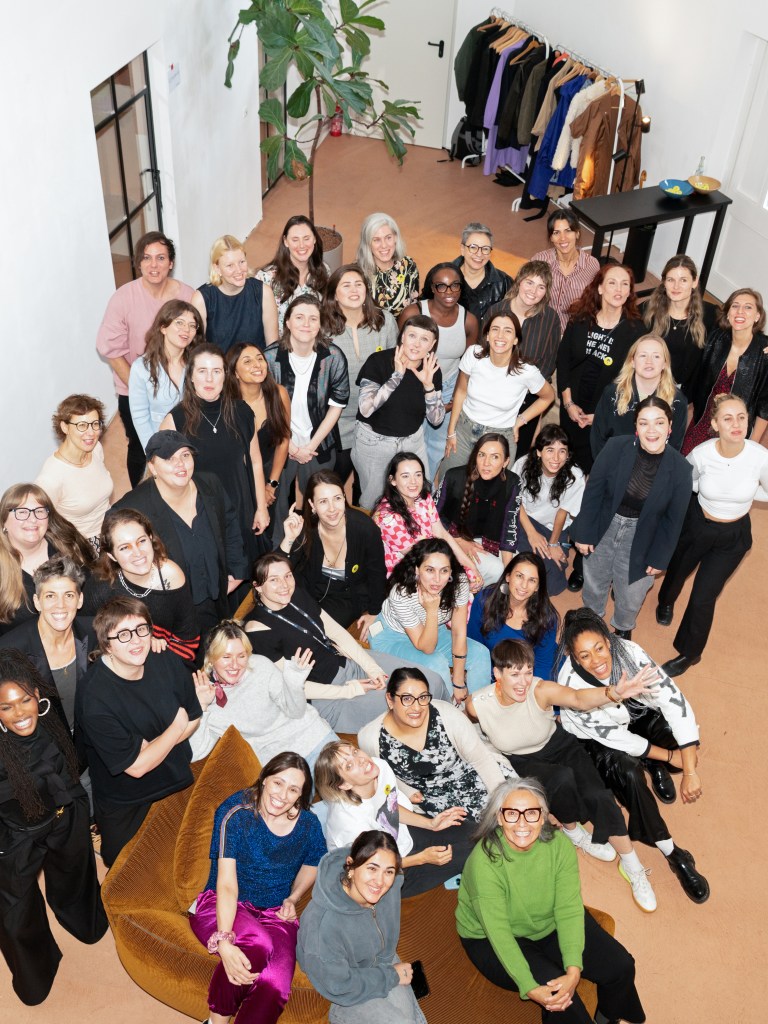
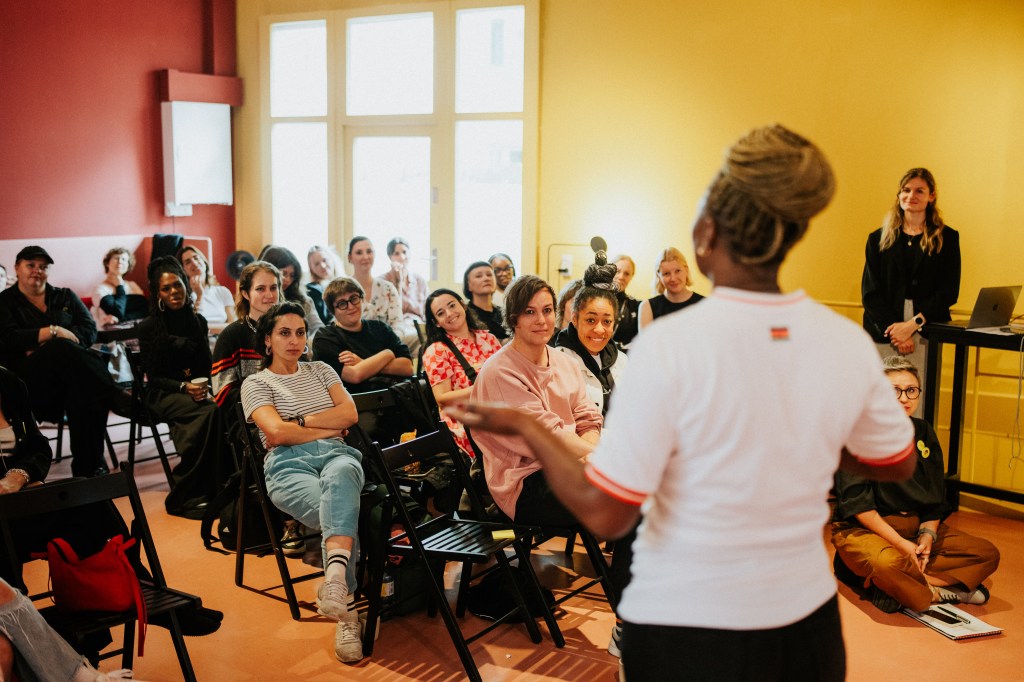
Photos given by Keychange and © Robin Schmiedebach / Lidija Delovska

 The Industry Review
Leave a comment