Rating 3/5
The Lankum singer’s solo debut explores women’s suffering through traditional folk, but its repetitive arrangements and relentless melancholy make for an uneven listening experience.
There is no questioning Radie Peat’s importance to contemporary Irish folk music. As a member of Lankum and ØXN, she has helped bring traditional music to audiences who might once have dismissed the genre as something belonging to another generation. Her voice is immediately recognisable, capable of moving between tenderness, anger and something altogether more unsettling.
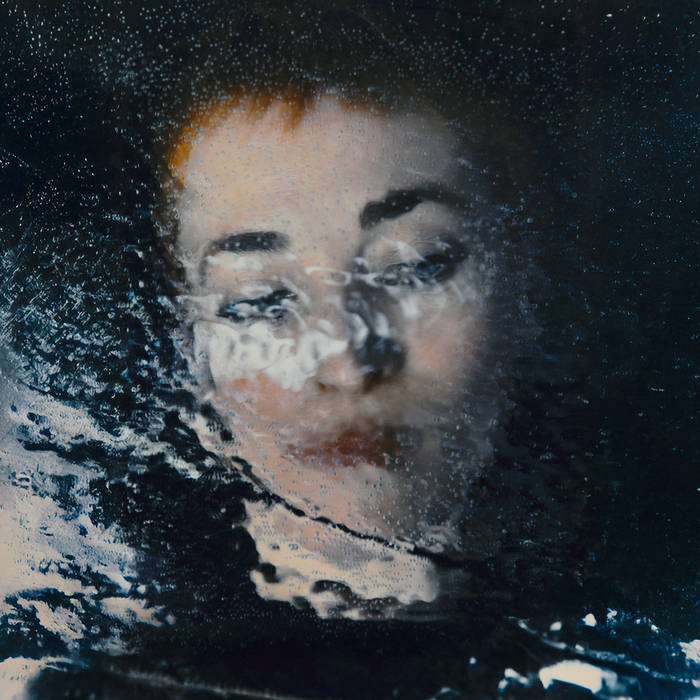
Her debut solo album, No Human Tongue Can Tell, arrives with considerable expectations and an overwhelmingly enthusiastic critical reception. Yet for all its artistic ambition and historical significance, the record proves a difficult and, at times, frustrating listen.
The album draws heavily on traditional songs concerned with women’s experiences of abandonment, violence, suffering and survival. These are important histories, and Peat’s decision to revisit them deserves recognition. Irish traditional music has long preserved accounts of hardship and injustice that formal histories have often neglected, and women’s experiences form an essential part of that inheritance.
However, the significance of the subject matter does not automatically make an album musically compelling.
Across nine tracks and almost an hour, No Human Tongue Can Tell settles into a remarkably narrow emotional register. The arrangements are frequently slow, sparse and heavy with melancholy. There are moments of genuine beauty, but the prevailing atmosphere becomes increasingly oppressive, with too little variation in tempo, texture or emotional intensity.
The opening interpretation of Hares on the Mountain introduces Peat’s remarkable vocal control, while The Moon and Stars brings a stronger sense of urgency. The latter is among the album’s more engaging moments, its unsettling arrangement complementing a narrative of betrayal and desperation. Peat’s lyrical revisions give greater prominence to the woman’s anger and the circumstances surrounding an unwanted pregnancy.
It is a convincing example of how traditional material can be reconsidered through a contemporary feminist perspective.
Yet as the album progresses, the musical approach begins to feel repetitive. Sustained drones, restrained instrumentation and extended passages of sombre reflection recur with such frequency that individual songs occasionally struggle to establish distinct identities.
Willow Garden, a traditional murder ballad, is understandably haunting in its subject matter. Peat’s interpretation captures the horror of violence against women, but its slow pacing contributes to an accumulating sense of emotional fatigue. By the time the listener reaches the later tracks, the album’s atmosphere has become so consistent that moments intended to carry considerable emotional weight risk losing their impact.
There is a difference between creating an atmosphere of sorrow and allowing that atmosphere to dominate almost every musical decision.
Peat has spoken about the connections she discovered between the songs, many of which concern women’s endurance and the complexities of love. That thematic consistency gives the record intellectual purpose, although it also raises questions about whether a more varied musical approach might have strengthened the storytelling.
Traditional Irish music contains extraordinary contrasts. Grief exists alongside humour, rebellion, irreverence, affection and celebration. Even the darkest songs can acquire additional meaning through changes in arrangement, rhythm and performance.
Here, there is comparatively little relief from the prevailing sadness.
The absence of the more confrontational musical dynamics associated with Lankum is also noticeable. While a solo project should never be judged solely against an artist’s previous band, Peat’s established ability to create tension through contrasting musical textures makes the restraint of this album all the more apparent.
There are exceptions. Luisne offers an instrumental departure, while Dark Horse on the Wind introduces a different historical and political dimension. Nevertheless, the record repeatedly returns to the same sombre territory.
The concluding Cailín Deas, which extends beyond thirteen minutes, will undoubtedly appeal to listeners who appreciate immersive, experimental folk. For others, its length may reinforce the impression that the album would have benefited from tighter editing.
The critical response has been strikingly positive, with reviewers praising Peat’s vocal abilities, the album’s emotional depth and its contribution to the preservation of traditional song. Those assessments are understandable. There is considerable care in the performances, and the production by John ‘Spud’ Murphy offers an intimate setting for Peat’s voice.
Still, there is room to question whether an artistically ambitious album succeeds on every level.
The record’s feminist themes are valuable, especially in an Irish cultural landscape that continues to confront the historical treatment of women. Reconsidering traditional songs through women’s experiences can challenge familiar interpretations and encourage audiences to examine histories that have not always received adequate attention.
That cultural importance, however, should not place the music beyond criticism.
No Human Tongue Can Tell is an accomplished and deeply considered debut, but its limited musical variation makes it considerably less rewarding than its strongest moments suggest.
Peat remains an exceptional vocalist and an important figure in Irish music. What is missing here is not talent, conviction or purpose, but the musical contrast that might have allowed the individual songs to breathe.
For listeners drawn to the darker reaches of experimental folk, this album may prove absorbing. For those hoping to encounter the full breadth of Peat’s musical imagination, it can feel unnecessarily prolonged and emotionally draining.
A significant record in its intentions, but not an entirely satisfying one in its execution.
Leave a Reply