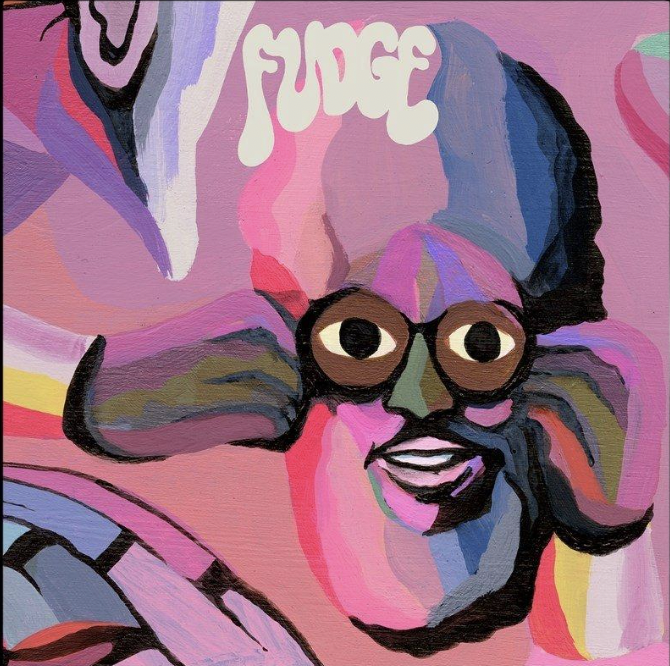
Michael Kiwanuka has built one of the most distinguished catalogues in contemporary British soul without surrendering the individuality that made his early recordings so compelling. His fifth album, FUDGE, arrived on 23 October and represents another stage in a career that has never followed an obvious commercial formula.
The circumstances surrounding the record’s release deserve acknowledgement. Kiwanuka experienced serious health difficulties, including a stroke, which delayed the album. That knowledge inevitably changes the context in which the work is received, although it would be unfair to reduce the music to the artist’s medical history.
Kiwanuka’s musical identity has long existed between traditions. His recordings draw from the warmth of classic soul, the exploratory instincts of psychedelic rock and the melodic intelligence associated with some of Britain’s finest singer-songwriters.
The influence of artists such as Marvin Gaye and Bill Withers can be understood in the musical lineage, but Kiwanuka has developed a distinct contemporary identity. His voice is measured and unforced, giving even ambitious arrangements an unusual intimacy.
FUDGE takes a freer approach than the carefully constructed arrangements that defined some of his earlier work. The record was self-produced, and the official album information describes a creative process driven by instinct and a desire to reconnect with the music he enjoys making.
That approach raises an interesting artistic question. How much structure does an album actually need before the pursuit of precision begins to compromise spontaneity?
Kiwanuka’s previous releases, including the Mercury Prize-winning Kiwanuka, established an extraordinarily high standard. They demonstrated an ability to combine sophisticated arrangements with direct emotional expression, using the album format as a complete artistic statement.
The strength of that approach is also a potential limitation. When a musician becomes associated with beautifully produced, emotionally serious work, experimentation can become difficult. Audiences begin to expect a particular kind of achievement, while critics measure each subsequent release against what came before.
A more instinctive recording process offers a way of escaping those expectations.
FUDGE has also generated differing critical responses. Some reviewers have welcomed its freedom and melodic warmth, while others have questioned the consistency of an album that gives its ideas considerable room to develop. That disagreement is worth acknowledging. Spontaneity can create moments of genuine revelation, but a relaxed recording process does not automatically produce stronger songwriting.
The challenge facing an artist at Kiwanuka’s stage is no longer establishing credibility. His place within British music is secure. What remains interesting is his willingness to question the methods that brought him there.
For contemporary soul music, there is considerable value in an artist who refuses to treat a successful formula as a permanent obligation.
FUDGE belongs within that broader conversation about creative freedom, ambition and the relationship between polish and emotional honesty. It is an important release from a musician whose career continues to demonstrate the depth and versatility of modern British soul.
Leave a Reply