Rating 5/5
Skepta’s influence on modern British music extends considerably beyond his recordings.
Over two decades, the London rapper has helped establish grime as an internationally recognised cultural movement while developing work across fashion, production and other creative industries.
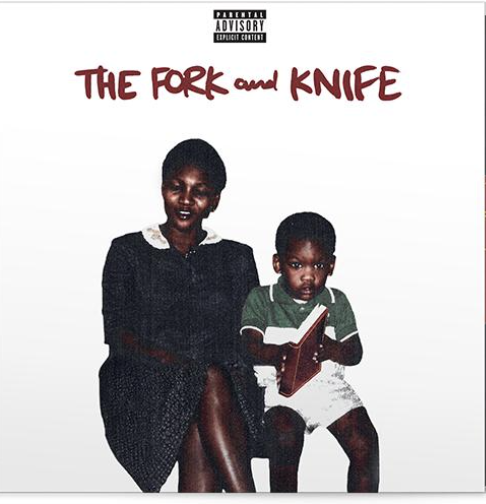
His sixth studio album, The Fork and Knife, arrives seven years after Ignorance Is Bliss and offers an opportunity to examine the development of an artist whose early career helped transform the international perception of British rap.
The cultural significance of grime should never be separated from the circumstances of its creation.
Emerging from London’s underground electronic scenes, grime developed through pirate radio, independent production, local performance networks and the creative communities established by young Black British musicians.
Its sound drew from earlier musical movements, including UK garage, jungle, dancehall and hip-hop, but developed a distinctive rhythmic and lyrical identity.
The genre’s emergence also challenged assumptions about which kinds of British music deserved national broadcasting, commercial investment and institutional recognition.
For years, the cultural influence of grime developed faster than the willingness of established industry organisations to acknowledge its importance.
Skepta was among the artists who helped change that position.
The Fork and Knife revisits elements of the music that shaped his career while incorporating influences from house, jungle, garage and contemporary rap. Its collaborators include artists representing different musical traditions and generations.
The album also arrives at an interesting stage in Skepta’s public life.
He is no longer an emerging musician seeking recognition from institutions that overlooked his early work. He is an established cultural figure with international influence, professional interests beyond music and a place within the history of British popular culture.
That development creates a different artistic challenge.
A younger performer can build a career through resistance to the establishment. A musician who has become part of that establishment must decide what their work is now intended to challenge.
There is also a relationship between Skepta’s British identity and his Nigerian heritage that deserves consideration. The history of Black British music cannot be understood without acknowledging migration, diaspora and the continuous exchange of musical ideas between Britain, Africa and the Caribbean.
These connections have shaped British popular music for generations, from sound-system culture and reggae through jungle, garage, grime and contemporary Afroswing.
Yet public discussion of British cultural identity often fails to recognise how fundamental those exchanges have been.
The Fork and Knife offers an opportunity to examine that history through the work of an artist whose career is inseparable from it.
The album’s critical reception has highlighted its engagement with earlier musical identities while acknowledging the wider range of work Skepta has pursued. The music has been discussed as a return to elements of grime without simply reproducing the circumstances of his early career.
For The Industry Review, the strongest subject is not whether Skepta can recapture an earlier commercial peak. It is how an artist responsible for shaping a musical movement maintains relevance as that movement enters the mainstream.
Grime did not need the approval of traditional institutions to become culturally important. Its musicians, audiences and independent networks built that importance themselves.
Skepta’s continued presence is evidence of the lasting consequences of that achievement.
Leave a Reply